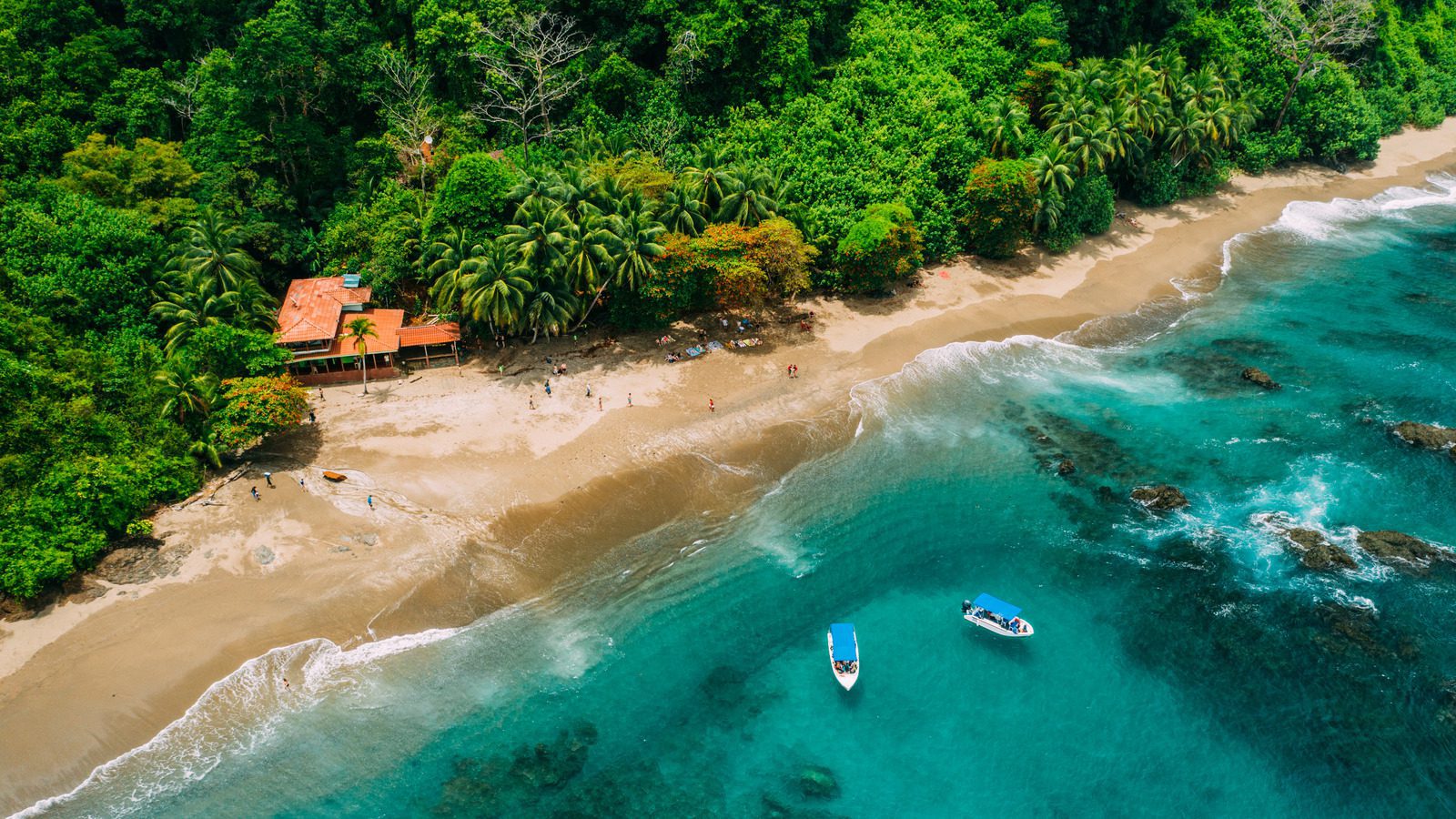
When Is the Best Time to Visit Corcovado National Park?
Corcovado National Park in Costa Rica’s Osa Peninsula is one of the most biodiverse places on Earth. National Geographic called it “the most biologically intense place on the planet.” But timing your visit correctly makes the difference between a challenging jungle slog and a life-changing wildlife encounter.
The short answer:
December through April (dry season) offers the easiest hiking conditions, while
May through November (green season) rewards patient visitors with lush scenery, lower prices, and surprisingly excellent wildlife sightings. Both seasons have genuine advantages, it all depends on your priorities.
At GoCorcovado, we operate tours into Corcovado year-round from Bahía Drake. This guide is based on real experience guiding hundreds of visitors into the park across every month of the year.
Corcovado Dry Season: December to April
The dry season runs roughly from late November through April, with January, February, and March being the driest months. During this period, rainfall is infrequent, trails are firmer underfoot, and river crossings tend to be shallower and safer.
Wildlife activity in the dry season: Many animals concentrate near water sources during the dry months, which can actually make wildlife
easier to spot near rivers and watering holes. Scarlet macaws are highly visible nesting in tall trees. Tapirs and peccaries are commonly seen along Sirena’s trails. The dry season is also peak nesting season for sea turtles on some nearby beaches.
Hiking conditions: Trails dry out significantly between January and March. The La Leona and San Pedrillo coastal trails are much more manageable. River crossings at Río Claro and Río Sirena are usually knee-deep rather than waist-deep. Humidity is still high, this is the tropics, but you won’t be walking through daily downpours.
Crowds and prices: December through March is high season. Ranger station permits at Sirena sell out weeks in advance. Prices for tours and accommodation in Bahía Drake and Puerto Jiménez are at their peak. Book at least 4–6 weeks ahead if you’re visiting between Christmas and Easter.
Corcovado Green Season: May to November
Costa Rica’s green season (also called rainy season) transforms Corcovado into a jewel of emerald jungle. Rainfall typically arrives as afternoon showers rather than all-day downpours, leaving mornings clear and ideal for wildlife watching.
Wildlife activity in the green season: Many naturalists argue that green season offers
better wildlife sightings. Amphibians, poison dart frogs, glass frogs, red-eyed tree frogs, emerge in abundance after rains. Insects are prolific, which draws insect-eating birds and makes birding exceptional. Jaguars and tapirs are more active. September and October see increased jaguar sightings at Sirena Ranger Station.
Hiking conditions: Trails can be muddy, and river crossings run higher. The coastal trail to La Leona may require wading through chest-high water at high tide. Waterproof boots and dry bags are essential. If you’re comfortable with mud and want the jungle to yourself, the green season delivers an immersive experience with far fewer visitors.
Costs and availability: Green season prices drop significantly. Permits at Sirena are much easier to secure. Tour prices from Bahía Drake operators often include discounts of 15–25%. If budget matters, May through November is the smart choice.
Month-by-Month Breakdown
January & February: Peak dry season. Excellent hiking, blue skies, reliable trails. Busiest months. Book everything in advance. Scarlet macaws highly visible. Whale sharks occasionally spotted near Caño Island.
March & April: Dry season continues but heat builds. Some rain possible by April. Easter week (Semana Santa) brings Costa Rican visitors, Caño Island gets crowded. Still excellent conditions overall.
May & June: Transition into green season. Rain increases, prices drop, trails get muddier. Birding starts to excel. Humpback whales arrive in the Pacific, excellent time for
Floating Tour on Bahía Drake.
July & August: “Little dry season” (veranillo) often brings a brief break in rains in July. Wildlife incredibly active. Humpback whales peak in July-August.
Night Walks are exceptional for frogs and insects.
September & October: Wettest months. Heaviest rains and some trail closures possible. However, September-October is statistically the best period for jaguar sightings at Sirena. Only for experienced hikers comfortable with wet conditions.
November: Rains ease toward end of month. Great transition period, lower prices, improving conditions, good wildlife activity. Underrated month to visit.
December: Dry season begins mid-month. Christmas week is busy. Early December offers a sweet spot: good conditions with fewer tourists than January-March.
Caño Island Snorkeling: Best Months
If you’re combining Corcovado with a
Caño Island snorkeling tour, visibility in the water is best from January through April when seas are calmer and rainfall runoff (which clouds visibility) is minimal. That said, Caño Island is excellent year-round, we see sea turtles, white-tipped reef sharks, and manta rays in every month. The marine protected area’s ecosystem doesn’t take a rainy season.
Night Walks: Year-Round, Better in Rainy Season
Our
Night Walk in the Bahía Drake jungle operates year-round and is actually better in the green season. Rainfall triggers amphibian activity, red-eyed tree frogs, poison dart frogs, caiman, and nocturnal insects are far more active after evening rains. If you’re visiting in the rainy season and wondering whether it’s worth doing, the answer is an emphatic yes.
What to Pack for Each Season
Dry season essentials: Light moisture-wicking shirts, sun protection, sandals for river crossings, plenty of water, binoculars. Temperatures reach 30–35°C (86–95°F) with high humidity.
Green season essentials: Waterproof boots (non-negotiable), dry bags for electronics, quick-dry clothing, rain jacket, insect repellent. Everything will get wet, plan for it rather than fighting it.
Both seasons require: sunscreen, hat, good insect repellent, and sturdy footwear. The jungle doesn’t care about your dress shoes.
Our Honest Recommendation
If you have flexibility,
late November through February gives you the most reliable hiking conditions and the widest variety of wildlife encounters. The dry forest brings animals to predictable water sources and makes trail navigation straightforward.
If budget is a factor or crowds bother you,
June through August (especially July’s “little dry season”) delivers excellent wildlife, uncrowded trails, and meaningfully lower prices. The whales in the bay are a bonus that most people don’t even know about.
September and October are for adventurers only, but if you time it right, you might see a jaguar.
Book Your Corcovado Tour from Bahía Drake
GoCorcovado runs guided tours into Corcovado National Park year-round, including full-day hikes to Sirena Ranger Station,
overnight expeditions to Sirena, Caño Island snorkeling, night walks, and
Drake Bay dolphin tours. Our guides know the park in every season and will adjust your itinerary to give you the best possible experience regardless of when you arrive.
Browse all GoCorcovado tours or contact us directly to plan your visit. We’ll tell you exactly what to expect for your travel dates, no generic advice, just honest guidance from people who are in the park every week.